
When exploring senior living options for someone living with dementia or Alzheimer’s disease, families often ask about memory care vs. assisted living. While both provide valuable support, they serve different needs and offer distinct levels of care.
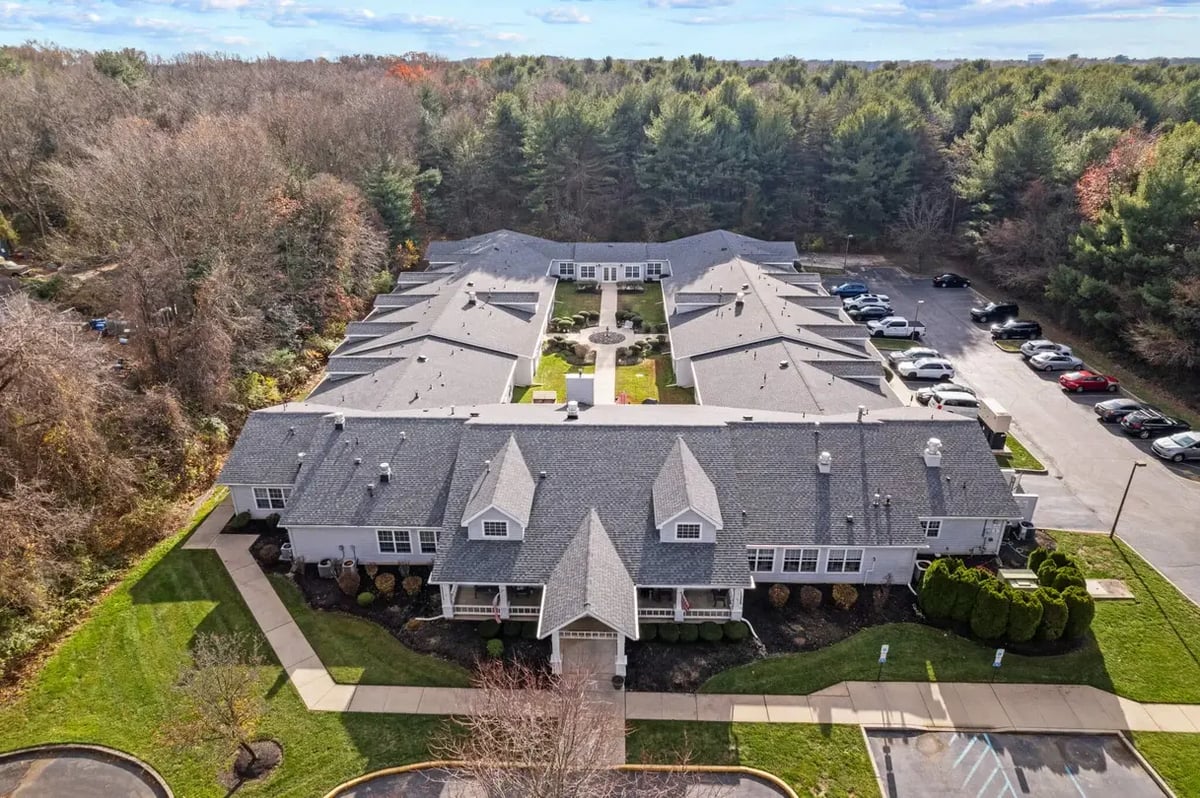
Understanding the difference between memory care and assisted living can help you make a confident, informed decision for your loved one. Families at Summit Place in Glassboro, NJ can explore both options and find the right fit depending on evolving needs.
Understanding Assisted Living Communities
Assisted living communities support older adults who are mostly independent but benefit from help with daily routines. Assisted Living residents at Summit Place enjoy private apartment homes along with personalized support that makes everyday life easier.
Support includes:
- Medication management
- Help with bathing and dressing
- Dining services and meal preparation
- Housekeeping and scheduled transportation
The goal is to provide assistance while still respecting personal choice and routine. Residents are free to maintain their preferred lifestyle, with support available as necessary. This balance is often what families are looking for when considering assisted living or memory care for a loved one.
What Makes Memory Care Different
Memory care is specifically for individuals living with Alzheimer’s or other forms of dementia. While Assisted Living at Summit Place can care for individuals with early signs of dementia or Alzheimer's disease, more specialized memory care may be necessary as symptoms progress. Summit Place focuses on creating a secure, supportive environment that reduces confusion and promotes comfort.
Key features include:
- Secured entryways and monitored spaces to prevent wandering
- Thoughtful layouts that reduce disorientation
- Structured daily routines that provide consistency
- Programs for a variety of cognitive abilities and personal histories
These specialized dementia care options go beyond physical support. They emphasize emotional well-being, familiarity, and meaningful engagement throughout the day.
Specialized Training and Personalized Support
One of the biggest differences in assisted living vs. memory care is the level of training among team members. Memory care professionals receive additional education to effectively support residents living with dementia.
This includes:
- Communication techniques for cognitive changes
- Strategies for responding to confusion or anxiety
- Approaches like reminiscence and validation
- Creating calm, supportive environments
This deeper level of training allows team members to respond thoughtfully to changing needs. In assisted living, support is still compassionate and attentive, but it may not include the same dementia-specific expertise.
Environmental Design and Safety Features
The physical environment also plays a key role in the difference between assisted living and memory care.
Memory care neighborhoods intentionally support safety and ease of navigation. Features include visual cues, simplified layouts, and secure outdoor spaces where residents can enjoy fresh air comfortably.
Assisted living communities like Summit Place offer accessible, welcoming spaces with features like handrails and emergency call systems. These environments support daily living but are not typically adapted for the unique challenges of memory loss.
Programs and Daily Engagement
Daily programming is another important distinction when comparing memory care vs. assisted living.
In memory care, programs have cognitive abilities in mind and may include:
- Music and sensory-based experiences
- Gentle fitness and movement programs
- Reminiscence-focused discussions and activities
These programs are simple, engaging, and easy to follow, helping residents feel successful and connected.
Residents in Assisted Living at Summit Place can choose from a wider variety of social events, wellness programs, and group activities. This flexibility allows individuals to stay engaged in ways that match their interests and preferences.
Making the Right Choice for Your Family
Choosing between these dementia care options depends on your loved one’s current needs and how those needs may change over time.
If your loved one is experiencing memory loss, confusion, or safety concerns, memory care may provide the right level of structure and support. If they are mostly independent but need help with daily tasks, assisted living may be a better fit.
Families often find it helpful to explore both options in person. Visiting a community like Summit Place can make the difference between memory care and assisted living clearer and help you feel more confident in your decision.
At Summit Place, our team is here to listen, answer your questions, and guide you through each step of the decision-making process.
Find compassionate care that meets your loved one's needs at Summit Place. Schedule a personalized tour to learn how we can support your family.